Surge Protection Devices
Surge protection devices (SPDs) help to protect devices and equipment from damage caused by transient overvoltages, also known as current spikes or surcharge. These sudden, short-duration increases in voltage can originate from various sources, including lightning strikes, utility grid switching, or even the operation of heavy machinery within a facility. Without adequate protection, surges can lead to significant equipment damage, operational downtime, and pose considerable safety hazards.
What Are the Benefits of Surge Protection Devices?
Implementing surge protection devices offers a range of substantial benefits for electrical systems in both industrial and commercial environments.
Enhanced Safety
SPDs significantly enhance safety by diverting dangerous excess voltage away from sensitive equipment and personnel. By preventing electrical surges from reaching connected devices, they reduce the risk of electrical fires, equipment malfunction, and potential injury to workers, contributing to a safer operational environment.
Reduced Maintenance and Repair Costs
By protecting equipment from voltage spikes, SPDs help prevent costly damage to sensitive electronics and machinery. This proactive protection reduces the frequency of equipment breakdowns, thereby minimising the need for expensive repairs and maintenance, ultimately extending the lifespan of valuable assets.
Improved System Reliability
Voltage surges can cause intermittent malfunctions or complete system failures, leading to costly downtime. SPDs ensure system reliability by maintaining a stable power supply, preventing disruptions to operations caused by transient overvoltages. This is particularly crucial in continuous processes where even brief interruptions can result in significant losses.
Compliance with Industry Standards
Many industries and regulatory bodies mandate the use of surge protection devices to ensure AC and DC electrical safety and system integrity. Implementing SPDs helps businesses comply with these industrial standards (such as IEC 61643 or EN 61643) and regulations, avoiding potential penalties and ensuring a safer working environment.
Types of Surge Protection Devices
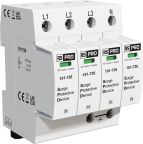
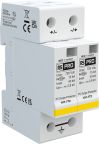
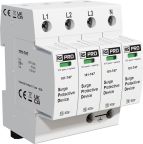
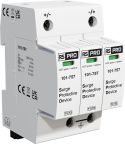
Four primary types of industrial surge protection exist; each designed for specific points in an electrical system and levels of protection. Most are available for both 3-phase and single-phase systems, with many suitable for DIN rail mounting:
Secondary Surge Arresters
Secondary surge arresters are fixed to the line side of the main service panel, at the point where the main electrical supply enters a building or facility. They are specifically designed to protect against current surges from lightning or utility switching events. These devices divert massive amounts of surge energy safely to the ground before they can enter the building’s wiring.
Branch Surge Arresters
Branch surge panels are fixed to the load side of the main service entrance or at sub-panels. They offer protection against motor-driven and internally generated surges that occur within the facility's own electrical system, often from the operation of inductive loads like motors, compressors, and pumps.
Power Strips
Power strips protect sensitive electronics with lower voltage and ampere capabilities. They work by blocking current spikes before they can reach connected devices, making them suitable for office equipment, computers, and home electronics.
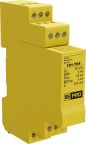
Surge Protection Modules
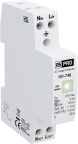
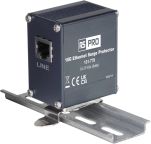
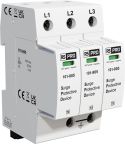
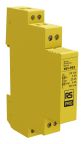
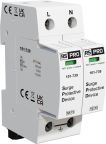
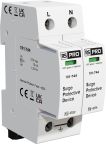
Surge protection modules provide point-of-use protection, meaning they are installed directly at or very close to the sensitive electronic equipment itself. These compact devices are ideal for protecting individual pieces of equipment, such as control panels, PLCs, or communication devices, from overvoltage and current spikes.
How Are Surge Protection Devices Used in Industrial Settings?
Surge protection devices are vital for maintaining the integrity and continuous operation of electrical systems across diverse industrial environments. Their strategic deployment safeguards critical infrastructure and sensitive electronics.
Main Power Distribution Panels
Surge protection devices are commonly installed at the main power distribution panels within industrial facilities. This provides a first line of defence, protecting the entire electrical system from large external surges before they can propagate deeper into the facility's wiring.
Field Equipment and Outdoor Installations
Equipment located in the field or in outdoor installations, such as remote sensors, monitoring stations, or industrial lighting, is particularly vulnerable to lightning strikes and transient surges. SPDs are crucial here to protect these exposed systems and ensure their continuous operation.
Renewable Energy Systems
In renewable energy systems, including solar and wind farms, SPDs are essential for protecting sensitive inverters, charge controllers, and monitoring equipment from surges caused by lightning or grid fluctuations, ensuring the reliability and longevity of these power generation assets.
Control Panels and PLC Cabinets
Control panels and Programmable Logic Controller (PLC) cabinets house critical automation and control electronics. SPDs are installed here to protect these sensitive components from both external surges and internally generated transients, preventing costly downtime and maintaining production processes.
Fortifying Your Electrical Systems with RS Singapore
Protecting electrical systems from transient overvoltages is paramount for operational continuity and safety. RS Singapore, a trusted supplier and distributor of surge protection devices, offers a comprehensive range of solutions of varying prices to meet the demanding requirements of industrial and commercial applications. We partner with leading brands like Phoenix Contact, Siemens, and Schneider Electric, ensuring access to high-quality and reliable SPDs.
Beyond SPDs, RS also offers other essential electrical components such as electrical contactors for switching power circuits and wall mount electrical boxes for secure housing of electrical connections. Our comprehensive product offering ensures you can find all necessary components for a robust and safe electrical installation.
We also ensure efficient delivery services, with reliable shipping options to get your products to your doorstep promptly. Visit our delivery page for more information on our robust delivery policy and services.
Popular Searches
Related links
- Phoenix Contact, TTC-6-LCP Surge Protection Device Surge Protection Device
- ABB, OVR Surge Protection Device 275 V Maximum Voltage Rating 80kA Maximum Surge Current Surge Protection Device
- ABB, OVR Surge Protection Device 132 V Maximum Voltage Rating 20kA Maximum Surge Current Surge Protection Device
- Siemens, 5SD Surge Protection Device 300 V Maximum Voltage Rating 100kA Maximum Surge Current Surge Protection Device
- Telegartner, RJ45-SPD Surge Protection Device 3.3 V dc Maximum Voltage Rating 2kA Maximum Surge Current Surge Protector
- Phoenix Contact, VAL Surge Protection Device
- Phoenix Contact, CN Surge Protection Device
- Eaton, SD32 Surge Protection Device 32 V Maximum Voltage Rating 20kA Maximum Surge Current Surge Protection Device