MCCBs
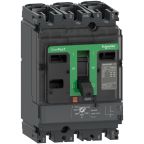
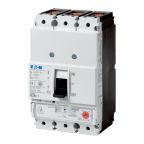
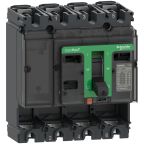
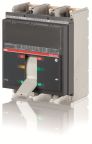
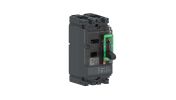
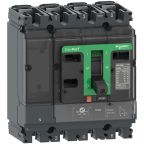
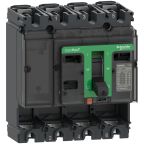
Moulded case circuit breakers (MCCBs) are protective devices designed to interrupt electrical circuits during overcurrent, short-circuit, or fault conditions. They are widely used to protect electrical systems and equipment across industrial, commercial, and residential installations.
MCCBs are suitable for low- and medium-voltage applications and can handle higher current ratings than Miniature Circuit Breakers (MCBs). MCCBs typically have a rated current of 10 A up to 2,500 A, and a breaking capacity up to 200 kA, depending on the model and standard. RS Singapore supplies a comprehensive range of MCCBs to suit various installation requirements, including cable-mounted, DIN rail-mounted, and panel-mounted solutions.
Types of Moulded Case Circuit Breakers
MCCBs are categorised by their trip characteristics, which determine how they respond to overcurrent or short-circuit conditions. Selecting the appropriate trip type ensures effective protection for specific loads while avoiding nuisance tripping.
Type B MCCBs
Type B MCCBs trip at 3 to 5 times the rated current. They are most suitable for light commercial or domestic applications where surge currents are low, such as resistive loads and incandescent lighting. The fast response ensures protection for circuits with minimal surges while maintaining reliable operation under normal conditions.
Type C MCCBs
Type C MCCBs trip at 5 to 10 times their rated current and are the standard choice for commercial and industrial circuits. They are specifically engineered to handle moderate inductive loads, including fluorescent lighting and small electric motors, without nuisance tripping. Type C breakers provide a balance between protecting equipment and accommodating normal start-up surges, making them suitable for most industrial and office environments.
Type D MCCBs
With a trip threshold of 10 to 20 times the rated current, Type D MCCBs are intended for high-inductive or heavy inrush load applications. They are essential for protecting equipment with very high starting surges, such as large winding motors, transformers, and X-ray machines. The higher trip threshold prevents nuisance tripping while still providing reliable protection against sustained overcurrent or short circuits.
Type K MCCBs
Type K MCCBs follow IEC 60947-2 standards and trip at 8 to 12 times the rated current. They are typically utilised for motor protection and in control circuits where they provide a balance between handling start-up surges and offering rapid protection, making them ideal for industrial automation, conveyor systems, and motor-driven machinery.
Type Z MCCBs
Type Z MCCBs, also defined under IEC 60947-2, trip at 2 to 3 times the rated current and are highly sensitive to overcurrent conditions. They are primarily used to safeguard electronic devices, semiconductor components, and PLC inputs from even minor overcurrent events. Type Z breakers protect these devices from even minor overcurrent events that could otherwise damage critical components or disrupt system performance.
Typical Applications of Moulded Case Circuit Breakers
MCCBs are commonly used in a wide range of applications, including:
- Industrial Plants: MCCBs are used in industrial plants to protect motors, transformers, and other equipment by managing high fault levels and shielding expensive machinery from thermal and magnetic stresses caused by electrical faults and prolonged overloads.
- Data Centres: MCCBs are used to protect power distribution systems in data centres. By providing adjustable trip settings, they enable precise coordination with downstream MCBs, ensuring that only the faulty circuit is isolated while the rest of the building remains powered.
- Commercial Buildings: In Singapore, MCCBs are used to safeguard lighting and power distribution networks by ensuring precise circuit isolation during faults, supporting uninterrupted building operations.
- Hospitals: MCCBs are used to protect critical medical equipment such as MRI, CT, and X-ray machines, which may draw high inrush currents. Their robust construction ensures that life-saving medical apparatus remains safe from electrical damage while maintaining the rigorous safety standards required in healthcare environments.
- Residential Homes: In larger residential properties in Singapore, MCCBs serve as the main incoming protection device to manage high-capacity power requirements and multiple sub-distribution boards. They provide a high-breaking capacity defence that standard domestic MCBs cannot offer, ensuring the entire household's electrical infrastructure is safely isolated during major faults.
How to Choose the Right MCCB: Key Technical Specifications
When selecting a moulded case circuit breaker (MCCB), understanding its key technical specifications ensures reliable protection for your electrical system:
- Rated Current (In): Indicates the maximum continuous current the MCCB can carry without tripping. Choosing the correct rating ensures normal operation does not trigger unnecessary interruptions.
- Breaking Capacity (Icu/Ics): Indicates the maximum fault current the MCCB can safely interrupt. Always select a breaker that meets or exceeds your system’s maximum prospective short-circuit current to prevent damage.
- Trip Curve Type: Defines how the MCCB responds to overcurrent and inrush conditions. Matching the trip curve to your load type avoids nuisance tripping and ensures optimal protection.
- Poles and Voltage Rating: MCCBs are available in single-, double-, or three-pole configurations and must correspond with the system’s voltage and phase requirements.
- Mounting Type: Options such as DIN rail, panel mount, or direct cable mount affect installation flexibility and integration into existing setups.
MCCB Selection Considerations: What Buyers Should Know
Beyond technical specifications, the following considerations will help ensure you choose the most suitable MCCB for your application:
- Load Characteristics: Consider whether your load is inductive, resistive, or mixed. This determines the appropriate trip type and prevents unnecessary tripping while protecting the circuit.
- Coordination with Downstream Devices: MCCBs should be coordinated with MCBs, fuses, and other protection devices to isolate faults locally, maintain system continuity, and reduce downtime.
- Environmental Factors: Temperature, humidity, vibration, and exposure to chemicals can affect performance. Choose MCCBs rated for the specific operating conditions of your environment.
- Maintenance and Testing Requirements: Regular inspection and functional testing ensure that the MCCB operates reliably under fault conditions and maintains long-term safety.
Trusted Moulded Case Circuit Breaker Supplier in Singapore
RS is your trusted source for moulded case circuit breakers. We stock an extensive range from industry leaders like Siemens, Schneider Electric, and Eaton. Our selection of MCCBs offers cutting-edge technology, robust performance, and a range of trip characteristics, current ratings, and mounting configurations, ensuring reliable protection for commercial, industrial, and residential applications at competitive prices.
We also carry other circuit breakers, such as thermal circuit breakers and RCCB circuit breakers, to provide a complete and integrated solution for your electrical safety and distribution networks. Order your MCCBs and other accessories online today.
For more details on our ordering process, delivery services, and delivery fees, please refer to ourDelivery Page. If you need assistance selecting the right MCCB for your application, our expert team is ready to provide personalisedadvice and support.






Popular Searches
Related links
- MCBs
- Aten
- Siemens Alpha Assembly Kit for use with 3VA2 Molded Case Circuit Breakers
- Siemens Alpha Assembly Kit for use with 3VL Molded-Case Circuit Breakers
- Siemens Alpha Assembly Kit for use with 3VL Molded Case Circuit Breakers
- Siemens Alpha Mounting Kit for use with 3VL Molded-Case Circuit Breakers
- Siemens Alpha Assembly Kit for use with 3VA1 Molded Case Circuit Breakers
- Siemens Alpha Assembly Kit for use with 3VT Molded Case Circuit Breakers