Acoustic Insulation
Acoustic insulation refers to specialised materials designed to absorb sound energy or block sound transmission to reduce decibel (dB) levels within a specific area. Whether addressing impact vibration, airborne noise, or general environmental noise, choosing the right sound-insulating material depends on whether the goal is sound absorption (reducing echo and reverberation) or sound insulation (reducing sound transmission between spaces). RS Singapore offers a professional range of acoustic insulation products to mitigate noise in industrial, commercial, and residential environments.
Types of Sound Insulation Products
Selecting the right acoustic insulation products depends on the type of noise being controlled and the performance required. RS Singapore offers a wide range of acoustic insulation materials designed to reduce airborne sound, control internal reflections, and manage vibration in industrial, commercial, and building applications.
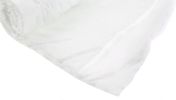
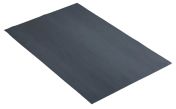
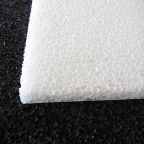
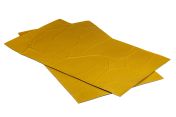
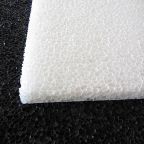
- Foam Sheet: Acoustic foam sheets are flexible sound-absorbing materials commonly used to line machinery enclosures and equipment housings. They help reduce vibration-induced noise and high-frequency airborne sound within industrial equipment, while remaining easy to cut and install.
- Foam Panels: Specialised acoustic insulation panels designed to treat internal room reflections rather than blocking sound transmission. These act as a standard sound-insulating material to reduce echo and reverberation, improving speech clarity in spaces such as offices, studios, control rooms, and meeting areas.
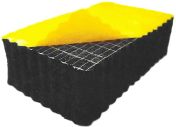
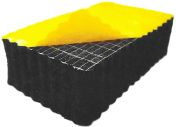
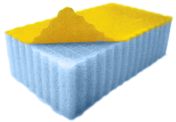
- Corrugated (Profiled) Panels: Corrugated or "egg-crate" acoustic panels feature a profiled surface that increases effective surface area for sound absorption. These panels are commonly used in plant rooms and machinery areas to reduce reflected noise and improve overall acoustic comfort.
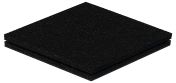
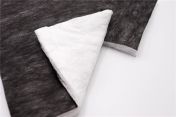
- Acoustic Insulation and Foam (Composite Products): These composite sound insulation products combine dense barriers with open-cell foam. The barrier helps limit sound transmission, while the foam absorbs reflected sound, making these products suitable for enclosures, partition walls, and noise-control panels.
- Self-Extinguishing / Non-Combustible Materials: Fire-retardant and non-combustible sound insulation products are designed to meet safety requirements in enclosed or high-risk environments. They are commonly specified for plant rooms, transport systems, and industrial machinery where both fire performance and noise control are critical.
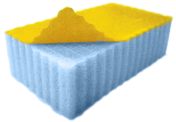
- Adhesive and Non-Adhesive Backed: Adhesive-backed options allow for quick "peel-and-stick" installation of acoustic insulation on flat surfaces. Non-adhesive materials are used for permanent setups requiring heavy-duty mechanical fixings.
Applications of Acoustic Sound Insulation
Effective sound insulation in Singapore is vital for maintaining privacy and comfort in dense urban settings and high-traffic commercial zones.
- Theatres and Cinemas: Acoustic materials are used to prevent sound leakage between adjacent screens and block external street noise, ensuring high-fidelity audio within the hall. By using high-performance acoustic insulation products, venues can maintain an immersive experience without interference from outside or neighbouring theatres.
- Hotels: In the hospitality industry, insulation is installed in wall cavities and ceiling voids to minimise noise transfer between guest rooms. This structural soundproofing ensures a quiet, premium environment and enhanced privacy for every occupant, regardless of the hotel's proximity to busy roads or corridors.
- Restaurants and Bars: Applied to ceilings and walls to absorb ambient chatter and echoes, these acoustic insulation panels allow patrons to converse comfortably without raising their voices over background music. This treatment manages the "cocktail effect," where rising noise levels typically force guests to shout.
- Office Spaces: Acoustic solutions are integrated into meeting rooms and private booths to protect confidentiality and reduce acoustic distractions. This makes it an essential noise-insulation material for modern open-plan workplaces, where controlling the spread of speech is key to maintaining a productive, focused atmosphere.
Key Acoustic Performance Specifications to Consider
- Noise Reduction Coefficient (NRC): The Noise Reduction Coefficient indicates how effectively an acoustic insulation material absorbs sound, with values closer to 1.0 providing higher absorption across mid-to-high frequencies.
- Sound Transmission Loss (STL): Measures how well a material reduces sound passing through it, making it a critical factor for walls, partitions, and acoustic enclosures. Higher STL values are beneficial where noise containment or sound isolation is required.
- Material Density and Thickness: Higher-density materials generally offer improved sound insulation by limiting sound transmission, while increased thickness can enhance absorption of lower-frequency noise.
- Fire Rating and Regulatory Compliance: Fire-retardant or non-combustible acoustic insulation is essential in regulated environments such as plant rooms, transport infrastructure, and commercial buildings.
Practical Factors When Selecting Acoustic Insulation Products
- Type of Noise: Identify whether the noise is airborne (speech or machinery noise) or structure-borne (vibration or impact) to help determine the most effective insulation solution. Different noise sources require different material properties for optimal performance.
- Installation Environment: Environmental conditions including temperature, humidity, and exposure to oils or chemicals should be considered, especially in industrial applications. Acoustic materials must be suitable for these conditions to ensure long-term durability and performance.
- Maintenance Requirements and Durability: In industrial or high-traffic settings, acoustic insulation may need to withstand dust accumulation, oil contamination, or regular cleaning. Durable materials help reduce ongoing maintenance and minimise replacement frequency.
- Space and Installation Constraints: Where installation depth is limited, low-profile or flexible acoustic insulation may be required. These solutions allow effective noise control without compromising space, equipment access, or existing structures.
Trusted Acoustic & Noise Insulation Material Supplier in Singapore
As your leading distributor of acoustic insulation, RS stocks a variety of high-performance acoustic insulation products from top brands like RS PRO, Paulstra Hutchinson, and Teroson at competitive prices to meet your project requirements. We also provide essential accessories like duct tape and double-sided tape to assist with secure mounting and joining. Enjoy a seamless ordering experience and fast delivery within Singapore, with most online orders shipping the next working day (Terms & Conditions apply). For more details on our delivery services and charges, please visit our Delivery Information page.

Related links
- Insulation Materials
- RS PRO Adhesive Backing Polyurethane Foam Acoustic Insulation, 1 m x 600mm x 28 mm
- Thermal Insulation
- Teroson Adhesive Backing Polyurethane Foam Soundproofing Mat, 1000.00 mm x 500mm x 500 mm
- Pipe Insulation
- Single Layer Ceramic Capacitors
- Sound Level Meters
- ABB Steel Base Plate Insulating Material 450 mm L for Use with Enclosure