Light Meters
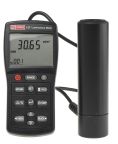
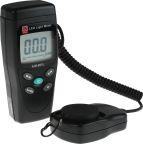
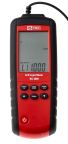
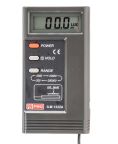
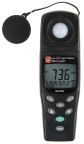
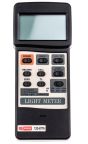
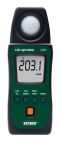
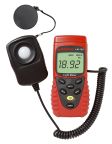
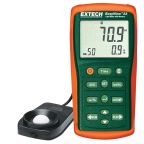
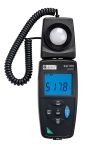
Light meters, sometimes referred to as lux meters or illuminance meters, are instruments that measure light levels in a given area. These precision instruments are used to measure illuminance, which is the amount of light falling on a surface, typically expressed in lux (lx). Whether you are checking lighting levels in an office, validating safety standards on a construction site, or assessing indoor plant growth conditions, a lux meter provides fast and consistent readings you can trust.
From basic lux meter devices to specialised LED light metres, RS Singapore supplies reliable tools for accurate light measurement in professional and industrial environments.
Types of Lux Meter Devices
Different environments call for different measurement capabilities, which is why it’s important to select the right lux measuring device for your specific task. Below are the most common categories of lux meter devices available:
By Spectral Range
- Standard: A standard lux measurement device is typically calibrated to the CIE photopic response curve V(λ) so that it measures visible light in a way that closely matches the human eye’s sensitivity. This makes it suitable for general-purpose lighting assessments in workplaces, public buildings, and outdoor areas, and is often the most cost-effective option.
- LED: An LED light meter or LED-optimised mode is designed to measure light output from LED sources more accurately by compensating for differences in spectral distribution compared with traditional lamps. This is especially useful in modern workplaces, retail spaces, and smart buildings where LED lighting is widely used, and where precise readings are crucial for comfort, energy efficiency, and compliance with workplace lighting standards.
By Measurement Method
- Incident: Incident measurement involves placing the sensor at the point where light falls, measuring illuminance directly on that surface. Incident readings are commonly used in facility inspections, workplace lighting audits, and architectural lighting design because they indicate whether lighting levels at the task plane meet recommended values.
- Reflected: Reflected readings measure light bouncing off a surface, making them useful when you need to understand how bright an object appears. This method is often used in photography, display lighting evaluation, and visual inspections where reflective surfaces influence perceived brightness.
- Spot: Spot measurement focuses on a smaller area from a distance, allowing users to measure hard-to-reach locations or specific points without interfering with the lighting setup. Spot readings are typically used in theatre lighting, museum exhibits, and specialist inspections where precise targeting and control of specific areas are required.
Benefits of Using Light Meters
Light meters or lux meters are an objective way to measure illumination levels. Here are some of the key benefits of doing so:
- Light meters help verify that illumination levels meet workplace safety guidelines and internal lighting specifications, supporting safer and more comfortable working conditions.
- Regular light measurements using a lux measuring device assist facilities and energy managers in identifying over-lit or under-lit areas, helping optimise lighting layouts and energy consumption.
- In controlled environments such as laboratories, museums, or indoor farms, light meters support consistent operating conditions and reduce the risk of light-related damage or performance variation.
Applications of Lux Measurement Devices
A lux measuring device is essential across a wide range of industries in Singapore, where lighting quality impacts workplace safety, productivity and compliance. From ensuring sufficient illuminance to managing exposure-sensitive environments, light meters help professionals across various industries make data-backed decisions.
Construction & Facility Management
Light meters are used to verify lighting levels in offices, warehouses, stairwells, and workspaces, ensuring compliance with workplace safety requirements and internal building standards. Facilities teams also rely on light intensity metres to identify dim zones, reduce glare, and optimise energy usage when upgrading or adjusting lighting systems.
Film & Photography
Photographers and videographers use lux meter devices to measure exposure and lighting balance for consistent image quality. Whether shooting in studios or on location around Singapore, light testing metres help to maintain repeatable lighting setups, avoid under- or over-exposure, and support creative control under changing ambient conditions.
Horticulture & Agriculture
In indoor farms, vertical growing systems and research environments, a lux measurement device helps monitor light intensity to support plant growth. With Singapore’s increasing investment in urban farming and controlled-environment agriculture, LED-compatible light meter readings are especially valuable for fine-tuning artificial lighting relative to crop requirements and photoperiod strategies.
Automotive
In automotive workshops and inspection facilities, light meters are used to test lighting conditions in work bays and evaluate headlight brightness. A lux meter can help ensure visibility standards are met for inspection processes and improve worker safety in low-lit service areas.
Museums & Galleries
Lux meters are crucial in conservation environments, where too much light can damage artwork, textiles, and historic objects. Museums and galleries in Singapore make use of light intensity meters to maintain safe exposure levels while maintaining a high-quality visitor experience.
Key Specifications to Consider When Selecting a Lux Meter
Choosing a light testing meter? Take into consideration these technical factors before you make your purchase:
- Measurement Range: The maximum and minimum lux values the light testing meter can accurately measure, which should match the lighting conditions being assessed.
- Accuracy and Resolution: Typically specified as a percentage of reading and smallest measurable increment, influencing suitability for compliance or comparative measurements.
- Spectral Response: Alignment with the human eye response or LED-specific correction, depending on the dominant light source.
- Sensor Type and Design: External or integrated sensors, cosine correction, and spot or wide-area measurement capability of the lux meter.
- Calibration and Traceability: Availability of calibration certificates or alignment with recognised measurement standards for audit or quality assurance purposes.
Trusted Light Meter Manufacturer & Supplier in Singapore
RS is a trusted supplier and distributor of light meters in Singapore, offering dependable tools from leading brands such as RS PRO, Extech, and Gossen Metrawatt. Our lux meter prices vary depending on accuracy, sensor type, and measurement modes, from compact lux meter devices for routine inspections to professional-grade light intensity meters for demanding environments.
If you require other types of test and measurement devices such as vibration meters, solar power meters, or sound level meters, you can find it in our online catalogue as well. RS Singapore offers free next day delivery on qualifying orders, making it easy to get the right light intensity meters needed for workplace audits, facility management, and specialist testing needs. For more information on our delivery services and shipping options, please check out our delivery page.