Heatsinks
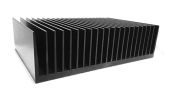
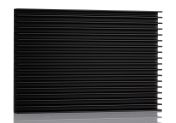
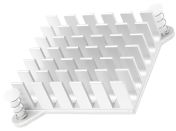
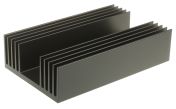
Heat sinks are thermal management components designed to absorb and dissipate excess heat generated by electronic and electrical devices. By increasing the available surface area for heat transfer, heatsinks help prevent sensitive components such as CPUs, power transistors, and power regulators from reaching temperatures that could cause malfunction, reduced performance, or premature failure.
As a leading heat sink manufacturer and distributor, RS Singapore provides an extensive range of heatsinks suitable for various electronic cooling applications. Heatsinks are typically manufactured from high-thermal-conductivity materials such as aluminium or copper, with brass or stainless steel used in specialised designs where specific mechanical or environmental properties are required. Most heat sinks use fins or pins to transfer heat from a base plate to the surrounding air through conduction and convection, helping ensure reliable operation of electrical and electronic equipment. Find out more about how to purchase the right heat sink for your needs in our Heat Sinks Buying Guide.
Types of Thermal Heat Sink
Selecting the right industrial heat sinks depends on the specific thermal load and the environmental constraints of your system. As a specialist heat sink supplier, we offer a range of thermal heat sinks categorised as follows:
By Airflow
- Passive: These heat sinks rely on natural convection and thermal radiation to dissipate heat, operating without any moving parts or additional cooling devices. Because they do not require fans or power, passive heatsinks offer silent and maintenance-free cooling. They are commonly used in systems with moderate heat output and sufficient ambient airflow.
- Active: An active thermal heat sink incorporates a mechanical component, such as DC axial fans or blowers, to force air across the cooling fins. This airflow increases the rate of heat transfer and allows the heatsink to manage higher thermal loads. Active cooling solutions are typically used in high-performance electronics or compact enclosures where passive airflow alone is insufficient.
By Manufacturing Process
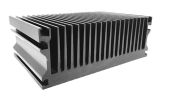
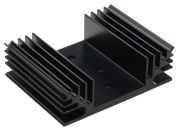
- Extruded: This is the most common manufacturing method for heat sinks, in which material (usually aluminium) is forced through a die to create complex fin profiles. Extruded models offer an excellent balance of heat sink price and thermal performance for general-purpose applications.
- Skived: Skived heatsinks are manufactured by machining thin fins directly from a solid block of material. This process creates a continuous grain structure and allows very thin, densely spaced fins to be formed, increasing surface area and improving heat dissipation. Skived heatsinks are commonly used in applications where high thermal performance is required within a compact footprint.
- Stitched: Also known as folded-fin designs, stitched heat sinks involve attaching individual fins to a base plate using high-conductivity epoxy or brazing. This method is often used to combine different materials, such as a copper base with aluminium fins, to maximise heat transfer efficiency.
Applications for Heat Sinks
In the modern landscape of high-speed electronics, heat sinks are mandatory across various industries to ensure operational stability. From rugged industrial heat sinks to precision-engineered components for medical devices, common applications of heat sinks include:
Automotive
In the automotive sector, heat sinks are used to cool Electronic Control Units (ECUs), LED lighting systems, and electric vehicle power inverters. These components must withstand extreme vibrations and temperature fluctuations while maintaining consistent performance.
Industrial Machinery & Automation
Modern factory floors utilise high-power motor drives and PLC controllers that generate significant heat. A robust thermal heat sink ensures that automation systems operate within safe limits, preventing costly downtime in manufacturing lines.
Medical Equipment
Medical devices, including diagnostic imaging systems, laboratory instruments, and patient monitoring equipment, rely on heatsinks to manage heat generated by processors and power electronics. Effective thermal management helps ensure stable performance and accurate operation of these sensitive technologies.
Telecommunications
Telecommunications infrastructure, such as base stations, routers, and optical networking equipment, uses heatsinks to dissipate heat generated by high-speed processing and signal-transmission hardware.
Consumer Electronics
From personal computers and gaming consoles to switch-mode power supply (SMPS) and solar thermal systems, heat sinks are found in almost every electronic household appliance. They provide a safe and durable way to manage heat in compact, high-performance devices.
Selection Criteria for Heatsinks
- Thermal Resistance (°C/W): Lower values indicate more efficient heat dissipation. Select a heatsink with thermal resistance suitable for the device's power dissipation and maximum temperature.
- Fin Design and Density: Higher fin density significantly increases the surface area available for heat transfer, so consider the trade-off between surface area and air resistance. Dense fins can restrict natural convection, so they are generally more suitable for forced-air cooling systems, where an axial-flow fan pushes air through the narrow gaps.
- Attachment Method: Heatsinks can be mounted using clips, screws, push pins, or thermally conductive adhesives. The attachment method should ensure secure mechanical fixing and good thermal contact with the component.
- Environmental Considerations: If heat sinks are used in outdoor, high-humidity, or harsh industrial environments, material protection becomes a priority. Anodised or corrosion-resistant finishes may be required in these settings to prevent oxidation and surface degradation, ensuring the component maintains both its physical durability and long-term thermal performance.
- Size and Clearance: Ensure the heatsink fits within the available space with sufficient airflow around the fins for effective heat dissipation.
Trusted Heatsinks Supplier & Manufacturer in Singapore
RS Singapore is a premier and trusted heat sink supplier, manufacturer, and distributor in the region, providing high-performance solutions from reliable brands such as Fischer Electronik, SPREADFAST, alongside our own RS PRO range. Whether you are looking for a specific thermal heat sink for a custom build or need bulk industrial heat sinks, we offer high-quality heat sinks at competitive prices. Our streamlined ordering process provides instant stock verification and fast, reliable delivery across Singapore to keep your projects on schedule. For specific information regarding shipping lead times and logistics, please refer to our dedicated Delivery page.


Popular Searches
Related links
- Heat Sink Buying Guide
- Relay Heatsinks
- Fischer Elektronik Heatsink 2.5°C/W 28 mm 84 mm 52.3 mm
- Fischer Elektronik Heatsink 8°C/W 50 mm 37.5 mm 6 mm
- Fischer Elektronik Heatsink 5°C/W 50 mm 84 mm 6 mm
- Heat-Sink&Os Heatsink, DIP 30 mm 46.2 mm 20 mm
- Heat-Sink&Os Heatsink 26K/W 25 mm 15 mm 11 mm
- AAVID THERMALLOY Heatsink 13.6°C/W 29.97 mm 29.97 mm 25.4 mm