Keyboards
Keyboards are fundamental human-machine interface (HMI) devices used for data entry and system control in industrial and commercial applications. As a primary input device, the keyboard facilitates the transmission of alphanumeric characters and command data to computers and control systems.
The selection of a suitable keyboard is critical for operational efficiency, user comfort, and reliability. This includes standard wired keyboard models, mobile wireless keyboard, and Bluetooth keyboard options that offer flexibility.
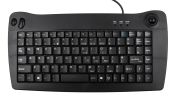
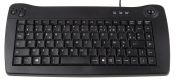
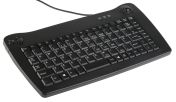
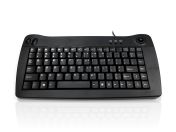
Specialised ergonomic keyboards help reduce repetitive strain injuries, while ruggedised industrial keyboards with integrated pointing devices like trackballs are essential for consistent performance in harsh environments.
How Do Keyboards Work?
A keyboard operates as a matrix-based electromechanical input device. Beneath the keys lies a grid of circuits, and each key corresponds to a specific location on this grid. When a key is depressed, it presses down on a switch, completing a circuit for that specific coordinate on the matrix. A dedicated keyboard controller, or microprocessor, constantly scans this matrix of circuits hundreds of times per second.
Upon detecting a closed circuit, the controller identifies the key's location and generates a corresponding scan code. This scan code is a unique numerical value that represents the specific key pressed. The controller then transmits this scan code to the computer's keyboard buffer. The computer's operating system receives the scan code and, referencing a character map, translates it into the appropriate character or command. This entire process, from keypress to character display, occurs almost instantaneously.
Keyboard Types
The diverse requirements of industrial, commercial, and specialised environments have led to the development of numerous keyboard types, each engineered with specific functionalities and design considerations.
Keyboard Layout Types
The physical arrangement of keys is defined by the keyboard layout. The most common layout is QWERTY, named for the first six keys on the top-left letter row. Other layouts, such as AZERTY (used in French-speaking countries) and QWERTZ (common in Central Europe), are designed to accommodate different languages and character frequencies. The layout is a critical consideration for user efficiency and regional compatibility.
Wired/Wireless
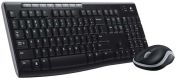
Wired keyboards connect to a system via a physical cable, typically USB, offering a stable and secure connection with consistent power delivery. Wireless keyboards transmit data via radio frequency (RF), usually at 2.4 GHz, to a small USB receiver plugged into the host device. This eliminates cable clutter and provides greater flexibility in workspace arrangement, though it requires battery power and introduces potential for signal interference.
Bluetooth
A subset of wireless keyboards, Bluetooth keyboards utilise the Bluetooth protocol to establish a direct connection with a compatible host device without the need for a dedicated USB receiver. This allows for seamless pairing with a wide range of devices, including tablets and mobile workstations, making them highly versatile for mobile and space-constrained applications.
Ergonomic
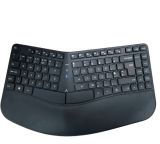
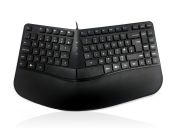
Ergonomic keyboards are designed to reduce muscle strain and the risk of repetitive strain injuries (RSIs) like carpal tunnel syndrome. These keyboards often feature a split design, tenting (a raised central angle), and curved key layouts to promote a more natural hand and wrist posture during prolonged typing sessions.
Medical
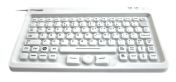
Medical keyboards are constructed for use in sterile environments such as hospitals, dental offices, and cleanrooms. They typically feature a sealed, non-porous silicone or rubber surface that is resistant to cleaning agents and disinfectants. This design prevents the ingress of dust, liquids, and contaminants, allowing for frequent and thorough sterilisation to meet stringent hygiene standards.
Touchpad
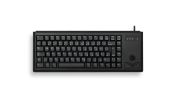
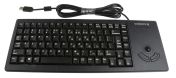
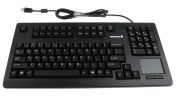
Keyboards with an integrated touchpad combine pointing and typing functionalities into a single peripheral. This eliminates the need for an external mouse, saving space and providing a convenient all-in-one solution for controlling a graphical user interface. These are commonly found in rack-mounted server consoles and industrial control panels. An industrial keyboard with a trackball offers a similar, often more ruggedised, pointing solution.
Numeric
Numeric keyboards, or keypads, are specialised input devices that provide a compact set of numeric and function keys. They are designed for applications requiring intensive numerical data entry, such as in accounting, point-of-sale systems, or data logging. They can be integrated into a standard keyboard or exist as standalone peripherals.
Industrial Applications of Industrial Keyboards
In industrial settings, keyboards are not just data entry tools but critical components of system control and monitoring, designed to withstand harsh conditions while ensuring reliable performance.
Manufacturing Control Panels
On the factory floor, industrial keyboards are integrated into machine control panels and HMI systems. These ruggedised keyboards, often sealed and made from durable materials like stainless steel, allow operators to input commands, set parameters, and monitor production processes in environments exposed to dust, debris, and vibration.
Medical & Cleanroom Environments
Medical-grade keyboards are indispensable in environments where hygiene is paramount. Their sealed, easily sanitised surfaces are essential for preventing cross-contamination in operating theatres, patient rooms, and pharmaceutical manufacturing cleanrooms, ensuring compliance with strict health and safety regulations.
Field Service & Mobile Workstations
Technicians and engineers in the field rely on durable and often compact keyboards for diagnostics, system configuration, and reporting. Wireless and Bluetooth keyboards are particularly valuable for mobile workstations, offering the flexibility to interface with laptops and ruggedised tablets in environments ranging from remote utility sites to vehicle maintenance bays.
Laboratories & Research Facilities
In laboratory settings, keyboards must often resist chemical spills and be easy to clean. Keyboards with sealed or membrane designs are used with analytical instruments, data acquisition systems, and research computers, ensuring long-term reliability and preventing damage from accidental exposure to corrosive substances.
Point-of-Sale & Retail Systems
POS systems in retail and hospitality environments utilise keyboards with integrated magnetic stripe or smart card readers for transaction processing. These specialised keyboards are designed for high-volume use and often feature programmable keys to streamline common sales functions, enhancing operational speed and efficiency.
The Leading Supplier and Distributor of Keyboards in Singapore
RS is your trusted partner for buying high-performance keyboards in Singapore, stocking a comprehensive inventory from industry-leading manufacturers such as Ceratech, Cherry, and RS PRO. Our extensive selection covers numerous types and configurations at competitive price points, guaranteeing you can source the ideal keyboard for your specific application.
We also provide other essential workstation and computing components, including drawer runners, heavy-duty workbenches, and storage boxes, to support optimal keyboard integration and ergonomic setup. Purchase your panel mount keyboards, industrial computer keyboards, medical-grade keyboards, and other specialised input devices online today. For complete details on our ordering options, shipping services, and associated fees, please visit our delivery page.
Popular Searches
Related links
- Ceratech KYB-M2BLK-UCUHBT Wireless Bluetooth Vision Impairment Keyboard Multicolour
- Ceratech KYB-M2BLK-UCGRBT Wireless Bluetooth Vision Impairment Keyboard Multicolour
- Ceratech KYB-M2VIS-UCDKBT Wireless Bluetooth Vision Impairment Keyboard Multicolour
- Ceratech KYB-M2BLK-UCDKBT Wireless Bluetooth Vision Impairment Keyboard Multicolour
- Ceratech KYB-M2BLK-LCUSBT Wireless Bluetooth Vision Impairment Keyboard Multicolour
- Ceratech KYB-M2BLK-UCITBT Wireless Bluetooth Vision Impairment Keyboard Multicolour
- Ceratech KYB-M2VIS-UCFRBT Wireless Bluetooth Vision Impairment Keyboard Multicolour
- Ceratech KYB-M2VIS-UCGRBT Wireless Bluetooth Vision Impairment Keyboard Multicolour