Office Chairs
Office seating solutions represent a critical component of ergonomic workstation integration, designed to facilitate prolonged sedentary tasks while mitigating musculoskeletal strain. Office chair units typically feature either a static 4-legged base or a dynamic 5-star pedestal base equipped with castors for multidirectional mobility.
Modern industrial office chairs prioritise ergonomic adjustability for prolonged use, incorporating synchronised tilt mechanisms, adjustable lumbar support, and pneumatic height regulation, to ensure optimal posture and seamless interaction with the primary workspace. RS Singapore stocks a comprehensive range of seating engineered from high-durability materials, including breathable polymer mesh, premium leather, and heavy-duty textiles, to meet diverse workplace specifications.
Benefits of Using Ergonomic Office Chairs
Ergonomic office chairs provide measurable benefits for health, productivity, and workplace inclusivity:
- Posture Support: Chairs with adjustable features maintain proper spinal alignment, reducing back pain, and lowering the risk of long-term musculoskeletal issues.
- Enhanced Productivity: Comfortable seating reduces fatigue, allowing employees to focus on tasks for longer periods without the distraction of chronic discomfort.
- Customisation for Diverse Users: Multiple ergonomic adjustments accommodate different body types and work habits, ensuring inclusivity and comfort across the workforce.
- Durability and Cost-Efficiency: High-quality industrial-grade chairs withstand multi-shift use, reducing the frequency of replacements, and lowering total cost of ownership.
Types of Home Office Computer Chairs
Selecting the appropriate seating architecture is vital for maintaining productivity and physiological health in a remote or industrial office setting. The choice of chair often depends on the duration of use, the specific task requirements, and the environmental conditions of the workspace. Below are the primary chair configurations utilised across professional and technical environments.
Ergonomic Chairs
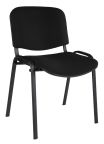
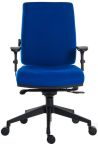
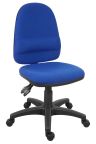
Ergonomic chairs are among the most common types of industrial office chairs, engineered to support the natural curvature of the spine and reduce pressure on the lumbar region, promoting a comfortable, pressure-reducing seated position for extended periods. These units feature extensive adjustment parameters, including seat depth, armrest height, and backrest tension, to accommodate a wide range of anthropometric profiles.
Executive Chairs
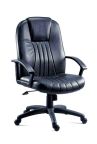
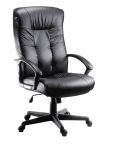
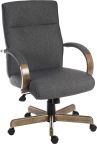
Executive chairs are characterised by high-back designs and premium padding, often upholstered in leather or high-grade synthetic alternatives. They are designed for superior comfort and aesthetic prestige in management environments, frequently incorporating advanced reclining mechanisms and integrated headrests.
Mesh Chairs
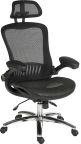
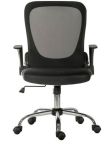
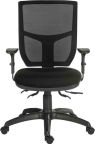
Mesh chairs utilise a breathable, tensioned fabric across the backrest and sometimes the seat, promoting passive airflow to regulate the user's body temperature. This design is particularly effective in high-utilisation environments or warmer climates, providing firm support without the heat retention associated with traditional foam padding.
Lab Chairs
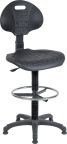
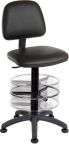
Lab chairs are technical seating solutions designed for cleanrooms, healthcare facilities, and research laboratories. They complement other safety equipment in cleanroom or ESD-sensitive areas, often featuring antimicrobial upholstery and chemical-resistant surfaces. Lab chairs typically include a higher seat height and a circular foot ring to facilitate interaction with elevated laboratory benches and workstations.
Stools
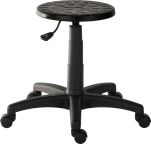
Stools provide a compact, mobile seating solution for short-duration tasks or collaborative environments where a full backrest is not required. Many industrial stools feature pneumatic height adjustment and swivel capabilities, making them ideal for technicians moving between different pieces of equipment.
Applications of Office Chairs
The application of office seating extends beyond simple furniture placement; it involves the strategic deployment of ergonomic tools to enhance operational efficiency. Different professional settings demand specific functional attributes, ranging from heavy-duty durability to high-end aesthetic integration.
Proper seating also plays an important role in workplace safety, especially in fast-paced administrative and technical environments where mobility and posture must be carefully managed.
Corporate and Professional Offices
In corporate environments, seating must balance individual ergonomic requirements with a cohesive architectural aesthetic. These chairs are utilised for standard administrative tasks, meetings, and collaborative projects, requiring robust mechanical components that can withstand constant daily use.
Home Offices
As remote work integration increases, home office chairs must provide professional-grade support within a domestic footprint. These chairs combine ergonomic adjustability with designs compatible with residential interiors without compromising posture or comfort.
Call Centres
Call centres require high-durability seating capable of supporting 24/7 multi-shift operations. These chairs are often specified for their ease of adjustment, allowing different operators to quickly calibrate the chair to their specific physical requirements between shifts.
Administrative Settings
Administrative chairs are workhorses in reception areas, filing departments, and general office hubs, where frequent movement is necessary. These units focus on mobility and ease of ingress and egress, ensuring that staff can transition between seated and standing tasks efficiently.
Laboratories
In laboratory and technical environments, seating is applied where precision and stability are paramount. These chairs are designed to prevent contamination and are often ESD-safe (Electrostatic Discharge) to protect sensitive electronic components and instrumentation during technical assembly or analysis.
Key Specifications and Selection Criteria for Office Chairs
When procuring seating, consider the following technical benchmarks:
- Weight Capacity: Select a chair that safely supports the heaviest expected user. Industrial office chairs are typically rated for 120–150 kg to ensure stability.
- Seat Height and Depth Adjustment: Adjustable seat height and depth help users maintain proper ergonomic alignment with desks and work surfaces, reducing pressure on thighs and promoting comfort.
- Backrest and Lumbar Support: Chairs should include adjustable lumbar support and a tilting backrest to maintain a neutral spine posture, preventing lower-back strain during extended use.
- Armrests: Height- and width-adjustable armrests relieve tension and strain in the shoulders and neck.
- Base and Mobility: A five-star pedestal with smooth-rolling castors ensures stability and easy movement across typical office flooring.
- Material and Ventilation: Breathable mesh promotes airflow and reduces heat buildup, while premium leather or textiles offer durability, comfort, and a professional appearance.
The Leading Supplier and Distributor of Office Chairs in Singapore
RS is your reliable partner for high-specification office seating and ergonomic solutions. We maintain an extensive inventory from industry-leading manufacturers, including RS PRO, Treston, and bott. Our diverse selection encompasses various architectural designs and load capacities at competitive price points, ensuring you can identify the optimal industrial seating for your specific operational environment.
In addition to seating, we provide a comprehensive suite of workstation peripherals and equipment, such as anti-fatigue mats and cable management systems, to fully optimise your technical workspace. Procure your high-back ergonomic chairs, ESD-safe lab stools, and mesh task chairs online today. For comprehensive information regarding our procurement workflows, logistics services, and applicable shipping tariffs, please consult our dedicated delivery information page.
Related links
- RS PRO Black Leather Executive Chair
- RS PRO Black Polyurethane Lab Chair, 90 kg Weight Capacity
- RS PRO Black Fabric Executive Chair, 100 kg Weight Capacity
- RS PRO Black Leather Executive Chair, 120 kg Weight Capacity
- RS PRO Black Mesh Executive Chair, 150 kg Weight Capacity
- RS PRO Grey Fabric Executive Chair
- RS PRO Grey Fabric Executive Chair, 115 kg Weight Capacity
- RS PRO Black Fabric Executive Chair, 150 kg Weight Capacity