Conduit
Conduits are protective tubing systems used to route, shield, and safeguard electrical wiring in a wide variety of installations. Made from materials such as PVC, nylon, galvanised steel, and spring steel wire, conduits protect exposed cables from physical damage, moisture, chemical exposure, and environmental wear. Whether laid underground, embedded in walls, or installed in open spaces, electrical conduits are essential for both residential and industrial applications in Singapore.
Benefits of Using Conduit
- Enhanced Safety and Protection: Conduits create a secure channel for electrical wires, shielding them from abrasion, impact, and other forms of external damage, reducing the risk of electrical faults and hazards.
- Moisture and Corrosion Resistance: Many conduit materials—like PVC and nylon—are inherently resistant to moisture, making them ideal for humid or damp environments such as bathrooms and kitchens.
- Durability and Longevity: Conduits are engineered to last, withstanding wear from physical impact, temperature shifts, and prolonged exposure, ensuring long-term protection for electrical systems.
- Ease of Installation: Conduits can be easily cut and shaped, allowing them to be routed around corners or through tight spaces—ideal for retrofit or new construction.
- Cost-Effective Solution: Available in a variety of materials and sizes, conduits are an affordable way to protect wiring across residential, commercial, and industrial applications.
Types of Electrical Conduits
Electrical conduit systems are typically classified into metal and non-metal categories, each suited to specific environments and installation needs. Whether you're looking for flexible conduit for tight spaces or rigid conduit for outdoor protection, understanding each type helps ensure the right fit.
Metal Conduit
Electrical Metallic Tubing (EMT)
- Type: Rigid (but bendable using a conduit bender)
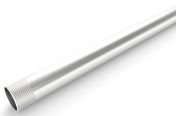
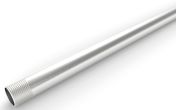
- Description: EMT is a lightweight, thin-walled steel conduit commonly used in commercial and industrial buildings where moderate mechanical protection is needed. EMT is non-threaded and typically secured with clamp-type fittings, making installation faster and easier.
Rigid Metal Conduit (RMC)
- Type: Rigid
- Description: RMC is the thickest and heaviest metal conduit pipe, made from galvanised steel or aluminium. Highly durable and threaded, RMC is ideal for outdoor, underground, or exposed industrial use.
Intermediate Metal Conduit (IMC)
- Type: Rigid
- Description: Slightly thinner and lighter than RMC, IMC offers strong protection while being easier to install. It’s approved for similar uses as RMC in industrial and commercial settings.
Flexible Metal Conduit (FMC)
- Type: Flexible
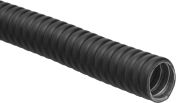
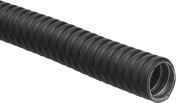
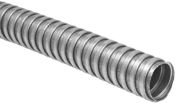
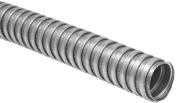
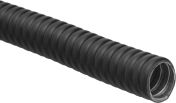
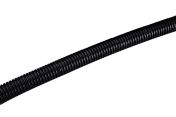
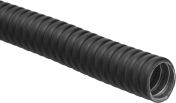
- Description: This flexible electrical conduit features a spiral design, ideal for areas requiring movement or where tight bends are needed. Frequently used indoors, especially near vibrating equipment, such as motors or machinery.
Liquid-Tight Flexible Metal Conduit (LFMC)
- Type: Flexible with sealed jacket
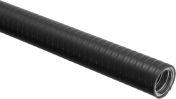
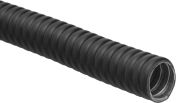
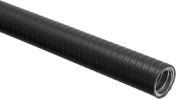
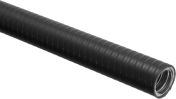
- Description: Similar to FMC but with a waterproof coating, LFMC is suited for outdoor use or wet environments like car parks, plants, or washdown areas. It combines flexibility with moisture resistance.
Non-Metal Conduit
Rigid Polyvinyl Chloride (PVC) Conduit
- Type: Rigid
- Description: This plastic cable conduit is corrosion-resistant, watertight, and non-conductive, making it a reliable choice for underground wiring or exposed outdoor installations. Often used in residential and light commercial builds.
Electrical Non-Metallic Tubing (ENT)
- Type: Flexible
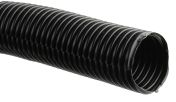
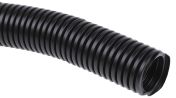
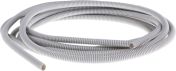
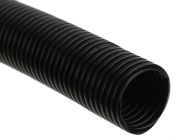
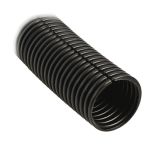
- Description: A lightweight, PVC flexible conduit that's easy to install behind walls or inside concrete. ENT is ideal for indoor applications and is not UV-resistant, making it better for enclosed use.
Factors to Consider When Choosing Conduits
- Environmental Conditions: Moisture, chemicals, UV light, temperature extremes, and mechanical impact will directly influence the required conduit material, such as PVC for corrosion resistance or RMC for mechanical durability.
- Installation Location: Underground or outdoor installations often require rigid, corrosion-resistant conduits like PVC or RMC, while indoor or retrofit jobs may benefit from flexible or lightweight options.
- Compliance and Standards: Ensure conduits meet relevant Singapore electrical codes and standards for safety and performance.
- Conduit Size and Capacity: Choose conduit diameters that accommodate the number and size of cables, allowing for easy pulling and future expansion.
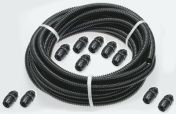
- Accessories and Fittings: Proper connectors, couplings, and junction boxes compatible with your conduit type are essential for a secure and compliant installation.
- Ease of Installation: Consider how easily the conduit can be cut, bent, and assembled, as this impacts labor costs and project timelines.
Industry Applications of Conduit Systems
Manufacturing and Production Plants
Conduits safeguard wiring in automated systems, machinery, and assembly lines, protecting cables from mechanical damage, vibration, and chemical exposure.
Chemical and Petrochemical Plants / Refineries
In harsh chemical environments, conduit systems (especially metal and LFMC types) offer critical resistance to corrosion, ensuring long-term reliability.
Power Generation and Utilities
Conduits organise and protect the complex wiring systems within power plants, helping to maintain operational safety and reduce downtime.
Warehousing and Large Commercial/Industrial Facilities
Conduit systems manage extensive cabling across vast floor spaces, ensuring compliance with safety regulations and enabling easy maintenance.
Conduit Supply and Delivery at RS Singapore
RS is a trusted conduit supplier and distributor in Singapore, offering a wide selection of electrical conduit, flexible conduit, and conduit pipe products from leading brands like PMA, Flexicon and HellermannTyton. Our competitively priced inventory supports everything from residential wiring to industrial cable management with reliable quality and technical precision.
In addition to conduit solutions, we also stock complementary tools such as industrial workbenches, electric drills, and cable covers, allowing you to source all your project essentials in one place.
Order your conduits, PVC flexible conduit, and accessories online today and enjoy fast, local delivery or convenient self-collection at your nearest branch. For details on how to place your order, estimated delivery times, and service fees, please refer to our Ordering Page and Delivery Page.