Gas Detectors
A gas detector is a critical safety device engineered to detect and quantify specific gases within an environment. It plays a critical role in both commercial and industrial safety systems by detecting hazardous gases, oxygen deficiency, and toxic or flammable emissions. Gas detectors employ various sensor technologies, including electrochemical sensors, photoionization detectors (PID), infrared (IR) sensors, catalytic bead sensors, and metal-oxide-semiconductor (MOS) sensors. Their primary function is to provide early warning by triggering alarms when gas concentrations exceed pre-set thresholds. Pricing varies based on sensor technology, gases detected, detection range, and certifications.
Gas detectors are available as handheld portable units or fixed installations on walls or ceilings, enabling continuous or spot monitoring. Many models offer multi-gas detection capabilities, making them cost-effective for complex industrial sites. To ensure accuracy and safety, all gas detectors require routine maintenance and battery checks similar to fire alarms.
Advanced detectors also feature alarm systems that include audible sirens and visual signals to alert nearby personnel. Some fixed detectors can send automated alerts to building operations centres for rapid response, even in areas where people are not immediately present.
Benefits of Gas Detectors
- Early Warning System: Promptly detects hazardous gases to enable timely action, protecting workers and preventing accidents like fires, explosions, or toxic exposure.
- Regulatory Compliance: Helps meet workplace safety standards such as OSHA, ATEX, and local regulations, avoiding penalties and improving audit readiness.
- Operational Continuity: Reduces downtime by preventing major incidents and facilitating faster emergency response.
- Cost Savings: By providing early leak detection, gas monitors prevent the loss of expensive products, reduce the risk of equipment damage from corrosion or combustion, and can help lower insurance premiums.
- Environmental Protection: Detects fugitive emissions that can harm the environment, supporting corporate social responsibility goals.
- Confidence and Peace of Mind: Provides assurance that gas hazards are continuously monitored and managed.
Types of Gas Leak Detection Equipment
The efficacy of a gas detection system depends on its sensor technology. Selection is contingent upon the target gas, environment, potential interference, and detection range. Four principal technologies dominate industrial applications: electrochemical, catalytic bead, infrared, and photoionization, each operating on distinct principles for accurate monitoring.
Electrochemical Gas Sensors
Electrochemical sensors measure a specific gas's concentration via an electrochemical reaction. The target gas diffuses into the sensor and reacts at a sensing electrode (through oxidation or reduction), generating a minute electrical current proportional to its concentration. These sensors are valued for their high sensitivity and specificity, making them ideal for detecting toxic gases like carbon monoxide (CO), hydrogen sulfide (H₂S), and chlorine (Cl₂).
Catalytic Bead Sensors
Also known as pellistors, these sensors measure combustible gases as a percentage of their Lower Explosive Limit (LEL). The sensor uses two beads, a detector and a compensator, arranged in a Wheatstone bridge circuit. The catalytically coated detector bead oxidizes gas, generating heat. This temperature rise increases its electrical resistance, unbalancing the bridge to produce a signal proportional to gas concentration.
Infrared Gas Sensors
Infrared (IR) sensors operate on the principle of non-dispersive infrared (NDIR) absorption, where gas molecules absorb IR light at characteristic wavelengths. An IR beam passes through the gas, and a detector measures the reduction in light intensity at the absorption wavelength relative to a reference wavelength. This difference is proportional to the gas concentration. Immune to sensor poisoning, they are ideal for detecting hydrocarbons and CO₂.
Photoionization Gas Sensors
Photoionization detectors (PIDs) provide broad-spectrum detection of volatile organic compounds (VOCs) and other toxic gases at very low concentrations (ppm or ppb). A high-energy ultraviolet (UV) lamp ionizes gas molecules into positive and negative ions. These charged ions are collected on an electrode, generating a current proportional to the concentration of trace organic compounds.
Applications of Gas Monitors in Industry Settings
Gas monitors are integral to industrial safety management systems, protecting personnel and assets from hazardous atmospheres. The deployment of fixed and portable detectors is mandated for operational safety across numerous routine and non-routine tasks, each requiring a specific monitoring strategy.
Hot Work
For hot work like welding or cutting, continuous monitoring for combustible gases is imperative to keep concentrations below the LEL, preventing ignition sources from causing fires or explosions.
Turnarounds and Shutdowns
Plant turnarounds and shutdowns involve non-routine maintenance where process equipment is opened, creating a high risk of unexpected gas releases. Both area monitors and personal detectors are crucial for ensuring worker safety during these complex, high-risk operations.
Fence-Line and Perimeter Monitoring
Fixed detectors are installed at facility perimeters to monitor for fugitive emissions, ensuring environmental compliance and protecting nearby communities from hazardous leaks.
Confined Spaces
Atmospheric testing is mandatory before and during entry into confined spaces like tanks or vaults to prevent asphyxiation, poisoning, or explosions. Multi-gas detectors are used to verify safe oxygen levels and confirm the absence of toxic or combustible gases before personnel enter.
Lone Workers
Personnel in isolated areas use portable, connected detectors that transmit real-time data and alarms to a central station, ensuring a rapid emergency response. This aligns with broader industrial workplace safety guidelines around hazardous atmospheres.
In-Plant Monitoring
Fixed detection systems provide 24/7 surveillance near potential leak sources like pumps and valves, automatically activating alarms or shutdown procedures. It's important that installation includes proper sealing, such as cable glands, to prevent gas ingress around enclosures.
Emergency Response
First responders use portable monitors to assess chemical releases, define hazard zones, and ensure the safety of response teams during mitigation efforts.
Fleet Management
Vehicles transporting chemicals are often equipped with detectors to provide early warning of leaks from cargo or the external environment during transit.
How to Choose the Right Gas Detector
Key considerations include:
- Gas Type: Choose sensors compatible with target gases (e.g., toxic, combustible, oxygen-deficient).
- Detection Range and Sensitivity: Ensure sensitivity matches regulations and hazard levels.
- Environment: Consider temperature, humidity, corrosive atmospheres, and explosive zones. Certified devices required for hazardous areas.
- Portability vs Fixed: Choose a fixed system for 24/7 monitoring of a specific area, like a plant control room or storage tank vicinity. Use portable detectors for personal safety, leak detection, and confined space entry tasks performed by mobile workers.
- Alarm Features: Visual, audible, vibration alerts depending on working conditions.
- Communication Capability: Integration with safety and building management systems via protocols like Modbus or SCADA.
- Power Source and Battery Life: For portable units, ensure the battery life can last an entire work shift. For all devices, confirm they are certified by recognised international standards (ATEX, IECEx, UL, etc.) to guarantee they have been rigorously tested for performance and safety.
- Ease of Use and Maintenance: Look for calibration ease, sensor replacement, and user-friendly interfaces.
- Certifications: Compliance with standards such as ATEX, UL, CSA confirms safety and quality.
The Leading Supplier and Distributor of Gas Detectors in Singapore
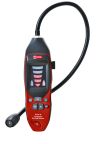
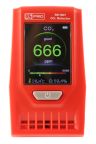
RS is your trusted distributor for high-performance gas detectors in Singapore. We provide an extensive selection from industry-leading manufacturers such as Extech, DRAEGER, and MSA Safety. Our catalogue features diverse models, from portable multi-gas monitors to fixed single-gas sensors, all competitively priced to ensure you can source the ideal gas detection solution for your specific industrial application.
To support your safety systems, we also stock essential accessories, including safety relays and electronic sounders, to help you properly maintain and integrate your detection setups. Purchase your portable gas detectors, fixed gas monitoring systems, and other safety accessories online today. For complete details regarding our ordering process, shipping options, and delivery charges, please visit our dedicated delivery information page.


Popular Searches
Related links
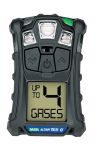
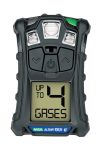
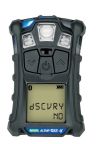
- MSA Safety 10218376 ALTAIR 4XR Personal Gas Detector for CO H2S Audible Alarm, ATEX Approved
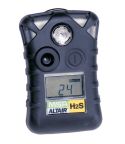
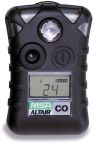
- MSA Safety Gas Detector Single-Gas Detector for Carbon Monoxide Detection ATEX Approved
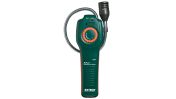
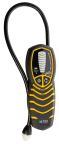
- Extech FG100 Gas Detector Gas Detector for Liquid Petroleum (LPG) Detection, Audible Alarm
- Extech Dissolved Oxygen Meter Gas Detector for Oxygen Detection
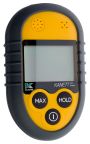
- RS PRO Handheld Gas Detector for Combustible Detection, Audible Alarm
- MSA Safety Gas Detector Single-Gas Detector for Oxygen Detection ATEX Approved
- Watchgas Gas Detection Case for WatchGas PDM Family Gas Detector
- MSA Safety Gas Detection Battery Charger for ALTAIR 4XR Gas Detector, EU Plug