Routers
Routers are essential networking devices that direct data traffic between different networks, ensuring reliable and secure connectivity across digital environments. Whether supporting enterprise infrastructure or home connectivity, modern network routers are designed to handle increasing data demands while maintaining performance and security. From basic packet forwarding to advanced traffic management and Quality of Service (QoS) controls, routers form the backbone of today’s connected infrastructure.
At RS Singapore, we supply a comprehensive range of networking routers designed to suit diverse technical requirements. Our portfolio includes routers supporting network speeds from 10Mbit/s up to 6000Mbit/s, allowing engineers, IT managers and system integrators to select solutions that match bandwidth, performance, and scalability needs. With dependable hardware designed for long-term operation, RS helps ensure stable and efficient network performance across industries.
Benefits of Using Enterprise and Industrial Wi-Fi Routers
Enterprise and industrial Wi-Fi routers deliver reliable performance, security, and scalability for modern network environments:
- Optimised Network Performance: High-capacity routers efficiently manage data traffic, preventing congestion and ensuring low-latency connectivity for a variety of applications.
- Secure Communications: Advanced security features, including integrated Virtual Private Networks (VPNs) and firewalls, protect sensitive data and help maintain regulatory compliance.
- Scalability and Flexibility: Modular and high-speed office routers enable networks to scale up seamlessly as business demands increase.
- Reduced Downtime: Enterprise-grade reliability and redundancy in routers minimise network outages, ensuring operations can be carried out without interruption.
- Enhanced Device Management: Many routers offer remote monitoring, QoS configuration, and virtual local area network (VLAN) segmentation, simplifying network administration and oversight.
Types of Networking Routers
Networking routers are available in several configurations, each designed to meet specific connectivity, security, and performance requirements. Understanding the different types helps ensure the right router is selected for each application.
Wireless Routers
Wireless routers combine routing functions with wireless access points, enabling devices to connect without physical cabling. Commonly referred to as Wi-Fi wireless routers or wireless internet routers, they support multiple devices simultaneously and are widely used in environments where mobility, flexibility, and coverage are prioritised.
Wired Routers
Wired routers connect devices exclusively via Ethernet cables, providing stable, consistent data transmission. These routers are often preferred in environments where low latency, high reliability and enhanced security are critical, such as industrial or mission-critical networks.
VPN Routers
VPN routers provide built-in VPN functionality, enabling encrypted connections between remote users and central networks. They are commonly used to support secure remote access, protecting sensitive data as it travels across public networks, thus maintaining compliance with industry data protection standards.
Core Routers
Core routers are high-capacity devices designed to operate at the centre of large networks, sometimes alongside network switches. They handle significant volumes of traffic and are typically deployed in data centres or service provider environments where performance, redundancy, and uptime are paramount.
Broadband Routers
Broadband routers connect LANs to internet service providers (ISPs) and are one of the most common choices for office Wi-Fi routers. These routers often include integrated firewalls and advanced Wi-Fi router security features, making them suitable for businesses that require both connectivity and protection in a single device.
Applications of Network Routers
Network routers play a vital role across multiple sectors, enabling secure and efficient data communication. Their adaptability allows them to support a wide range of operational environments.
- Healthcare: In healthcare settings, routers support secure data transmission between medical devices, patient records systems, and hospital networks. Reliable wireless router solutions ensure uninterrupted connectivity for critical systems while meeting data protection requirements.
- Financial Services: Financial institutions rely on robust network routers to manage high volumes of sensitive transactions. Advanced routing, encryption, and redundancy features help maintain secure, low-latency connections across branches, data centres, and digital platforms.
- Data Centres: Data centres use high-performance networking routers and fibre optics to efficiently manage internal and external traffic. Core and wired routers are essential for maintaining uptime, handling large data flows, and supporting cloud and enterprise services.
- Corporate Offices: Modern Singapore corporate offices depend on office Wi-Fi routers to support daily operations, collaboration tools, and connected devices. Scalable Wi-Fi router solutions allow businesses to expand network capacity while maintaining consistent performance and security.
- Residential & Homes: In residential environments, wireless routers provide reliable internet access for everyday activities such as streaming, remote work, and smart home integration. User-friendly configuration and strong wireless coverage are key considerations for home networking.
Key Specifications and Selection Criterion for Wi-Fi Routers
Choosing the right Wi-Fi router involves evaluating technical specifications and features to match your network requirements:
- Network Speed: Select routers with data rates appropriate for your network size and application, ranging from 10 Mbit/s for small setups to 6,000 Mbit/s for high-capacity enterprise or industrial networks.
- Number of Ports: Ensure there are sufficient LAN and WAN ports to accommodate connected devices, uplinks, and potential redundancy requirements.
- Wireless Standards: For Wi-Fi routers, confirm compatibility with IEEE 802.11 standards (a/b/g/n/ac/ax) to ensure high-speed performance and seamless device interoperability.
- Security Features: Evaluate built-in firewalls, VPN support, and encryption protocols such as WPA3 that safeguard sensitive data against cyber threats.
- Redundancy and Uptime: Industrial or core network routers may include dual power supplies, failover capabilities, and load balancing to maintain continuous operation.
- Environmental Resilience: For industrial deployments, consider extended operating temperature ranges, dust- and moisture-resistance, and surge protection so that the network router can withstand harsh conditions.
The Leading Supplier and Distributor of Routers in Singapore
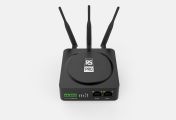
RS is a trusted supplier of high-quality routers in Singapore, offering a wide selection of dependable solutions from established manufacturers such as RS PRO, D-Link, and TP-Link. Our extensive range covers everything from compact Wi-Fi routers for smaller networks to advanced network routers designed for demanding commercial and industrial environments.
Beyond routers, RS Singapore’s online catalogue includes a comprehensive selection of networking and IT infrastructure components, such as Ethernet media converters and SFP modules or office basics such as printer ink cartridges. We provide fast and reliable delivery services, including free next working day delivery on qualifying orders, helping minimise downtime and keep projects on schedule. For full details on delivery options and shipping services, please refer to our Delivery Page.

Popular Searches
Related links
- Wireless Access Points
- D-Link 5G AC2600 <BR/>Wi-Fi Router 5G 5 Ports
- D-Link LTE Cat4 Wi-Fi AC1200 Router
- D-Link 3400Mbps AX3000 Wi-Fi 6 5G Router 1 5G 5GHz
- Networking & Coaxial Cables
- STMicroelectronics Wi-Fi Expansion Expansion Board for ISM43362 SensorTile Wireless Industrial Node (STWIN) Kit
- D-Link 3Gbps AX3000 Wi-Fi 6 Smart Mesh System 4 WiFi, Mesh 5GHz
- D-Link 6Gbps AX6000 Wi-Fi 6 Smart Mesh System 2-Pack 4 Mesh, WiFi 6 5GHz