3D Printing Materials
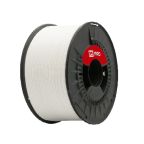
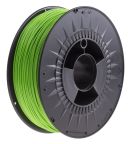
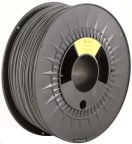
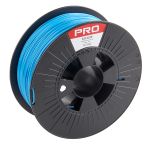
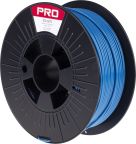
3D printing materials are the raw substances, often in filament form, used to create three-dimensional objects layer by layer using 3D printers. They come in various forms, most commonly as filaments for Fused Deposition Modelling (FDM) printers, and include plastics such as PLA and ABS, photopolymer resins, and metal composites. These materials each offer distinct characteristics in terms of strength, flexibility, durability, and environmental impact. Filaments are typically supplied on spools and are available in a range of colours to suit different design needs.
Types of 3D Printer Filament Materials
3D printing filaments come in various materials, offering distinct mechanical, thermal, and chemical properties to suit different applications.
Acrylonitrile Butadiene Styrene (ABS)
ABS is an extra-strong 3D printing filament known for its impact resistance and durability, making it ideal for solid printed products like tools, toys, and utensils. This thermoplastic polymer is widely used in 3D printers equipped with Fused Deposition Modelling (FDM) technology. ABS is widely appreciated for its stability and resistance to wear and tear, making it suitable for functional prototypes.
Polylactic Acid (PLA)
PLA is manufactured from renewable resources such as corn starch, making it an eco-friendly and biodegradable material. It is one of the easiest filaments to print, offering excellent dimensional accuracy and a smooth finish, which is why it is favoured by beginners and for non-functional prototypes. However, PLA can be brittle, has lower heat resistance, and may degrade when exposed to moisture or prolonged sunlight.
Polyethylene Terephthalate (PET)
Known for its food-safe properties, chemical resistance, and recyclability, PET is a practical 3D printing filament, making it ideal for containers and food-related applications. It offers good flexibility and ease of printing, performing best at moderate temperatures between 75ºC and 90ºC. PET’s resistance to moisture and chemicals also makes it a popular choice for industrial and outdoor components.
Nylon
Nylon 3D filaments are valued for their exceptional strength, flexibility, and high resistance to abrasion. This tough material is often used when producing durable, functional parts that require high wear resistance, such as gears, hinges, and industrial components.
Thermoplastic Elastomer (TPE) / Thermoplastic Polyurethane (TPU)
TPE and TPU 3D printing filaments are characterised by their rubber-like flexibility and elasticity. They’re perfect for creating soft, bendable parts, such as seals, gaskets, phone cases, and wearable items. These materials resist impact, wear, and vibration, offering excellent durability under repeated flexing.
Benefits of 3D Printing Materials
3D printing materials and filaments are used for a wide range of professional and enthusiast projects thanks to the following benefits:
- Rapid Prototyping and Fast Design Iterations: 3D printing drastically reduces the time from concept to physical prototype, accelerating product development and enabling quick design changes.
- Design Freedom and Complexity: Complex geometries, internal lattices, and lightweight but strong structures can be manufactured with relative ease using 3D printing filament, which is impossible or costly with traditional methods.
- Material Efficiency and Reduced Waste: Additive manufacturing with 3D printing materials uses only the material needed for the part, significantly lowering waste compared to subtractive methods like machining.
- Customisation and On-Demand Production: 3D printing supports producing customised items without additional tooling costs, allowing for personalised products and flexible batch sizes.
- Cost-Effectiveness for Low Volume: The use of 3D printing filament and 3D printers eliminates expensive tooling and moulds, making it cost-effective for prototypes and small production runs.
- Wide Material Range: From flexible polymers to strong composites and metals, 3D printing materials cater to many industrial needs.
- Sustainability: Many 3D printing filaments are recyclable or biodegradable, enhancing environmental responsibility.
Applications of 3D Printing Materials
Due to their precision and versatility, 3D printing materials have transformed production and design across a diverse range of industries:
Aerospace
The aerospace industry uses high-strength 3D printing filaments, such as specialised nylon or composites, for prototyping parts and creating lightweight, functional components. This speeds up design iterations for complex engine brackets or cabin fixtures.
Automotive
3D filaments are essential in automotive manufacturing for producing custom tools, jigs, and fixtures used on the assembly line. They also enable the rapid creation of functional prototypes for testing new dashboard designs or engine intake manifolds.
Healthcare
In healthcare, 3D printing materials are vital for creating patient-specific medical models, custom prosthetics, and dental aligners. Biocompatible resins or PLA filaments allow for quick and accurate production of these bespoke solutions.
Consumer Goods and Retail
The consumer goods sector relies on 3D printing filaments for rapid package prototyping, product design validation, and creating customised retail displays. This accelerates time-to-market for new items, such as unique phone cases or specialised consumer electronics housings.
Manufacturing
3D printing materials play a critical role in manufacturing by enabling the on-demand production of replacement parts and specialised tooling. They ensure the high-quality production of custom gauges, protective covers, and durable production aids.
Factors to Consider When Buying 3D Printing Materials
Before purchasing any 3D printing materials or filament for your project, consider the following to make sure you can make full use of your purchase:
- Compatibility with Your 3D Printer: Check if the material is compatible with your printer technology (FDM, SLA, SLS) and supports required print settings like nozzle temperature and bed adhesion.
- Mechanical and Thermal Requirements: Choose 3D printing materials based on the strength, flexibility, heat resistance, and durability needed for your final product.
- Printability and Ease of Use: Some 3D printing materials require precise conditions and experience; beginners often start with PLA for its ease of printing.
- Environmental Considerations: Assess if your 3D printing filament needs to be biodegradable or made out of recycled materials for sustainability goals.
- Cost: Factor in 3D printing material cost, including whether the filament is premium or standard grade, and lifetime cost if considering rechargeable/reusable options.
Get Your Materials from a Trusted 3D Printing Filament Supplier in Singapore
As a trusted 3D printing filament supplier and distributor in Singapore, RS Singapore offers a wide range of materials to meet all industrial and commercial needs. Additionally, we source our products from reputable brands, such as NANOVIA, Verbatim, Igus, and Ultimaker, ensuring reliable and high-quality options.
Beyond 3D printing materials, we also offer other computing and peripheral options, such as 3D printer parts, label printer tapes, and laptop locks, to meet all your work needs.
Browse our user-friendly online site to explore the full range and have your items shipped directly to your door. With our flexible and swift delivery options, you can rely on the timely arrival of your goods.
Find out more about our delivery times and fees on our delivery information page.
Popular Searches
Related links
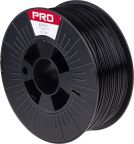
- RS PRO 1.75 mm Black Polylactic Acid 3D Printer Filament, 1 kg
- Verbatim 1.75mm Red PLA 3D Printer Filament, 1kg
- Ultimaker 2.85 mm Transparent CPE 3D Printer Filament, 750 g
- RS PRO 1.75 mm Black Polylactic Acid 3D Printer Filament, 2.3 kg
- Verbatim 2.85 mm Black Polylactic Acid 3D Printer Filament, 1 kg
- RS PRO 1.75 mm Black Polylactic Acid 3D Printer Filament, 300 g
- RS PRO 1.75 mm White Polylactic Acid 3D Printer Filament, 300 g
- Verbatim 1.75 mm Natural Polypropylene 3D Printer Filament, 500 g